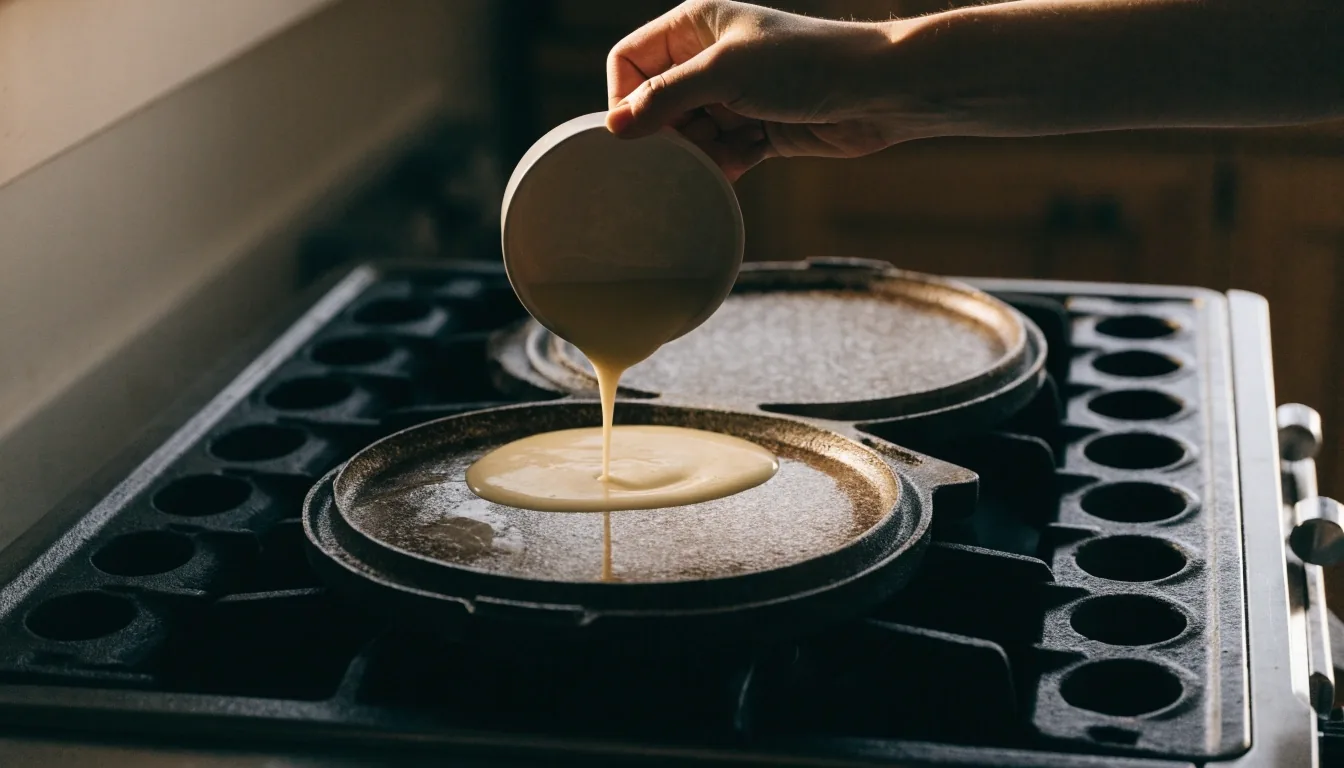
An open cast-iron waffle iron on a stovetop, batter poured from a ceramic measure into the raised lid
Iron at temperature

Hot iron. Cold batter. Breakfast worth standing for.

Belgian-style, Brussels, and Liège waffles come from one small country and land in three different textures. This is how each batter behaves at the iron, and how to tell which one your morning wants.

Styles & texture

Belgian, Brussels, Liège: What the Names Really Mean

Three waffles from the same small country, and most American kitchens blur them into one. That's fair. The blurring starts on the signboard and doesn't stop at the freezer aisle. But the differences are real, and they matter if you're trying to land a specific texture on purpose — in a homemade waffle recipe for a family table or in the waffled house recipes you keep coming back to.

Here's the short version. Belgian-style in the U.S. usually means deep pockets and a soft, generous interior. Brussels-style is lighter and crisper, with a rectangular grid. Liège-style is a yeasted, sweet dough studded with pearl sugar that caramelizes against the iron.

Once you know which one you're after, the rest of the recipe decisions fall into place: how thick the batter, how hot the iron, how long you wait.

The American shorthand

Belgian-style, the American shorthand

When a U.S. breakfast card says Belgian-style, it usually means one thing: a thick waffle, deep square pockets, and enough surface area to hold a serious pour of syrup. The grid is wider than a standard waffle iron, and the batter is often yeasted or heavily leavened for lift.

The texture is soft and bread-like rather than shattering-crisp. That's not a defect; it's the point. Belgian-style waffles are meant to soak. They're the right choice when you want a waffle that behaves like a plate for butter, fruit, and syrup.

Home cooks can get close with a standard deep-pocket iron and the yeasted batter. You won't match a specialty bakery, but you'll land in the same family of textures. The key is letting the batter fully proof so the crumb sets before the crust browns.

If you're shopping for an iron and this is the style you want, prioritize deep pockets and consistent heat over wattage. A slower iron with even heat bakes a better Belgian-style waffle than a fast one with hot spots.
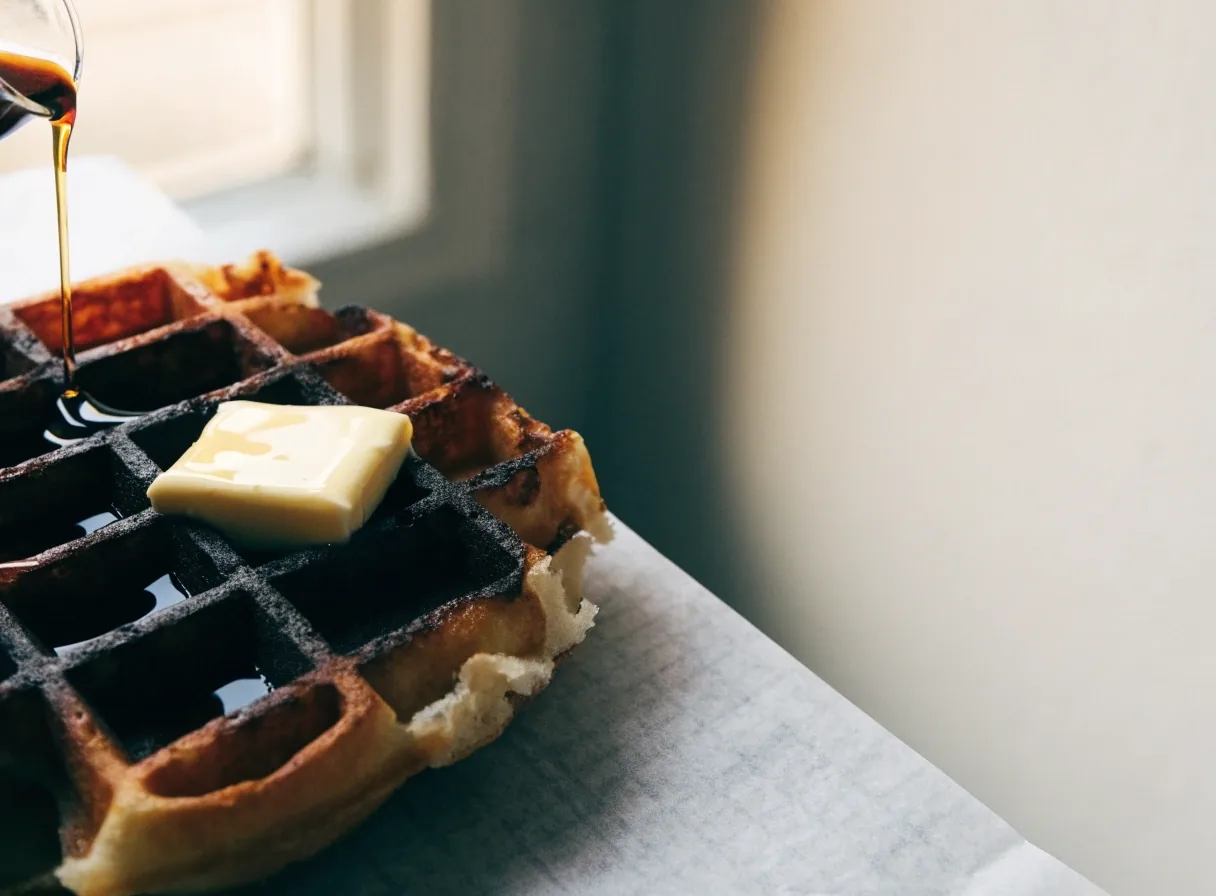

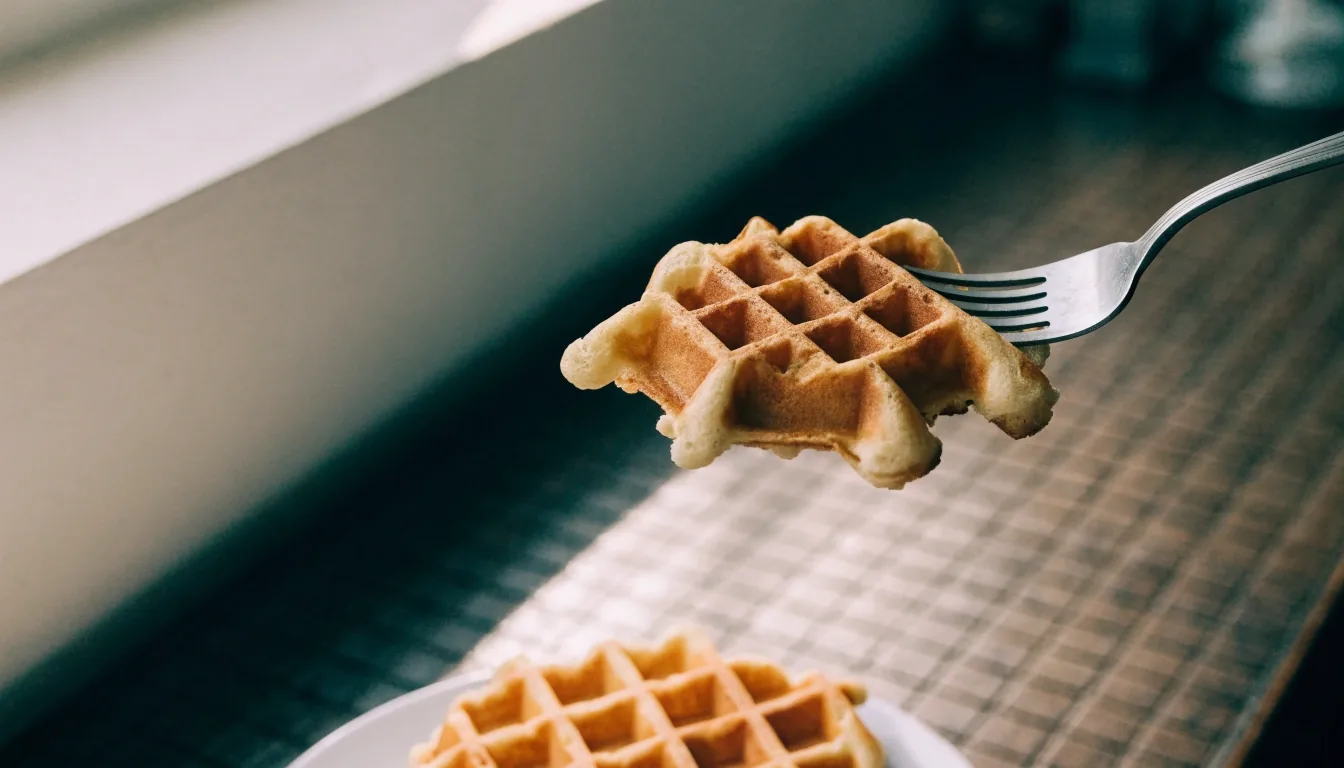
A deep-pocket Belgian-style waffle on griddled paper with butter melting into the pockets

Reading the plate

Wide pockets mean the syrup reaches further per bite. The inside stays bread-soft even after the crust is dark, which is why a Belgian-style waffle trays well for a family breakfast where plates wait on the table a few minutes.

Grid
Wide square
Interior
Soft bread
A waffle split open on griddled paper with steam rising from the crumb

Texture fix bench

Brussels waffle, the lighter cousin

Brussels waffles come from a different tradition. They're typically rectangular, thinner than the American Belgian-style waffle, and known for a crisp exterior with an airy, almost hollow interior. Powdered sugar and fruit are the classic toppings because the waffle itself is barely sweet.

The batter leans toward a liquid consistency with a high proportion of liquid to flour and plenty of egg whites. That's what produces the open crumb. The tradeoff is fragility: Brussels waffles tear more easily than denser styles and don't hold heavy toppings without softening.

Cook them a little longer than you think. The shell needs to fully dry out against the iron to get that characteristic snap. Pale Brussels waffles taste like nothing, and the texture collapses into chewiness.

They're worth the trouble if you've never had one, and they're a good reminder that crisp edges with a fluffy interior means different things depending on how much structure the batter has.

  • Flabby middle: batter was too thick for the shell to dry.
  • Pale shell: the iron wasn't fully preheated before the pour.
  • Tearing: too much sugar or fa weighing down the open crumb.
  • Soggy under topping: the shell needed another thirty seconds.

The dough that changes the rules

Liège waffle and pearl sugar

Liège waffles break every assumption an American cook brings to the category. They're made from a yeast dough, not a pourable batter. The texture is dense and chewy, closer to a brioche than to a breakfast waffle. And they're studded with pearl sugar, which melts during cooking and caramelizes into crunchy pockets.

Pearl sugar is not the same as coarse sugar or turbinado. It's a specially produced beet sugar with a hard, compressed crystal that resists dissolving in the dough. When the dough hits the iron, the sugar liquefies, browns against the surface, and creates the caramelized shell that defines the style.

You can find it in specialty baking shops and online, and the good news is a bag lasts a long time because a batch uses only about half a cup. Substituting regular sugar gives you a sweet waffle without the pockets, which is a different result entirely.

Liège waffles are often sold as street food in Belgium and eaten from hand. The dough handles well in the fridge, so you can mix it the night before and cook in the morning without much effort. Serve them plain or with a light dusting of sugar; heavy syrup overwhelms the caramel.

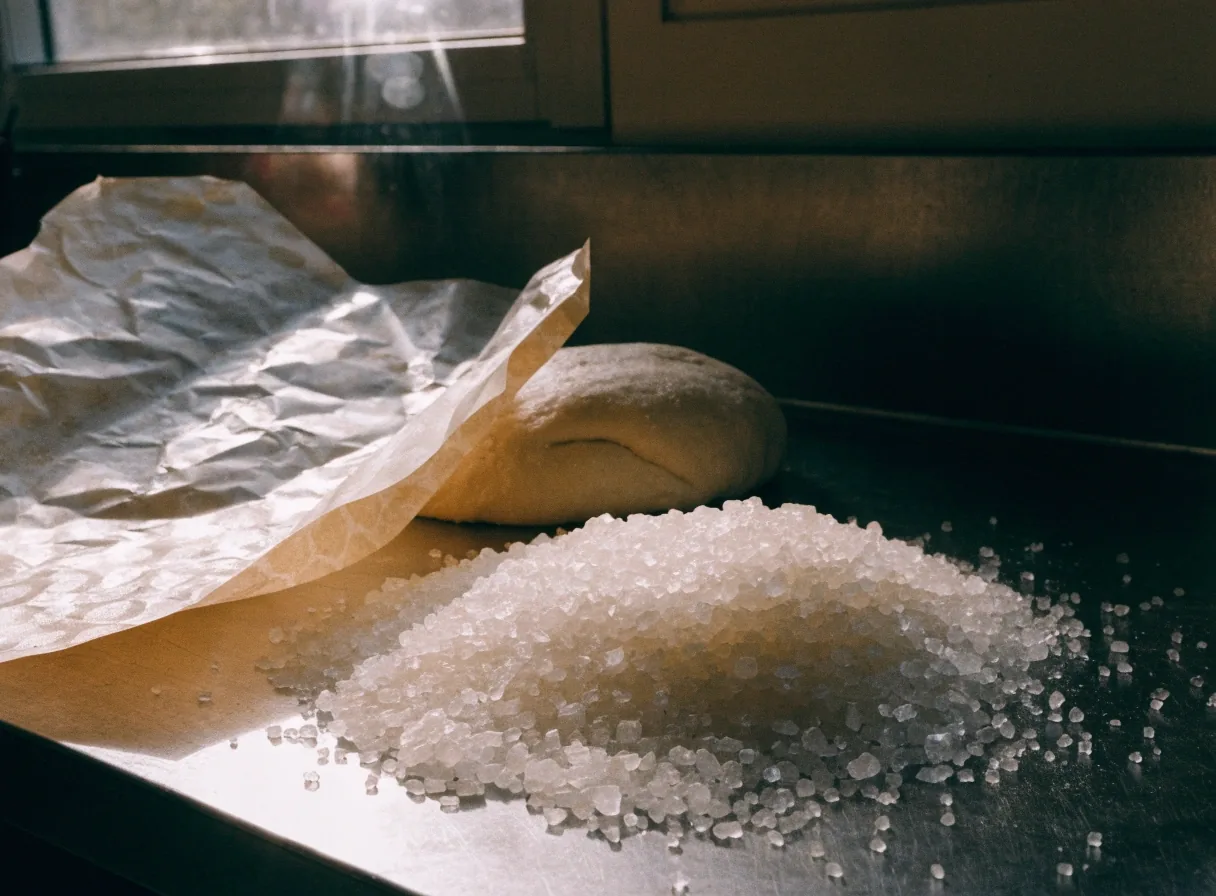
Belgian pearl sugar crystals beside a portion of stiff yeast dough on griddled paper
Sugar
Belgian or Swedish pearl sugar; hard, compressed, slow to dissolve in dough.
Per batch
About half a cup of pearl sugar folded into the dough just before the rest.
Proofing
Overnight in the fridge works well; cook in the morning straight from cold.
Serving window
Best warm, within about an hour. The caramelized shell softens on standing.

How the batters behave differently

The three styles differ in one structural way above all others

How much gluten develops and how much liquid they carry. That difference shows up in how each behaves in the iron, how fast it cooks, and what the finished texture actually feels like on the plate.

How Belgian-style, Brussels, and Liège batters compare at the iron
Measure Belgian-style Brussels Liège
Consistency Soft, pourable Thin, near heavy cream Stiff yeast dough
Rise Yeast or heavy leavening, fully proofed Whipped whites carry the lift Kneaded gluten network, proofed cold
At the iron Spreads to the edges on its own Spreads fast; thin, so watch it closely Portioned and pressed into the center, spreads under the lid
Cook time Longer — deep pockets take more heat Fast; often under two minutes Middle; watch the end so pearl sugar caramelizes, not burns
Finished texture Soft, bread-like, generous interior Crisp shell, airy almost hollow middle Dense, chewy, caramelized pockets from pearl sugar

Flabby Brussels

The batter was too thick. Brussels batter should be pourable, close to heavy cream in consistency.

Pale Liège

The dough wasn't pressed evenly into the grid, so the pearl sugar never reached the iron surface.

Collapsed Belgian

Not enough proof time. The crumb needed the yeast to set before the crust browned.

A half-folded mixing bowl, a batter-streaked ceramic measure, and a wire whisk on griddled paper

Choosing by occasion, not by legend

Match the style to the morning you're actually having

The most forgiving waffle for a Sunday breakfast with family is usually the Belgian-style. It holds toppings, looks generous on the plate, and scales up for a crowd without much fuss in the mixing bowl.

Brussels waffles shine at a lighter meal — a brunch with fruit and coffee, or as a dessert with whipped cream and berries. They're a presentation waffle as much as a breakfast one.

Liège waffles are their own event. Best eaten warm, within an hour of cooking, and they don't reheat particularly well because the caramelized sugar softens. Make them for a small group that will eat them promptly.

There's no ranking here. A waffle made well in any of these styles beats a waffle made poorly in a fancier one, and the style that fits your morning is the right style for that morning.

Walk through the full method

Reader questions

What people ask before the first pour

Belgian depth

Is a Belgian waffle just a regular waffle with deeper pockets?

Close, but not quite. The deeper grid is the visible difference, but the batter is also typically richer and more heavily leavened. The result is a softer, more bread-like interior than a standard American waffle, which is exactly what makes it a good vehicle for syrup and fruit.

Buying pearl sugar

Where can I buy pearl sugar?

Specialty baking shops, European grocery stores, and online retailers carry it. Look for Belgian or Swedish pearl sugar specifically; coarse sugar and turbinado won't give you the same caramelized pockets, because their crystals dissolve before they can brown against the iron.

Iron compatibility

Can I make Liège waffles with a regular waffle iron?

Yes, as long as you portion the dough and press it into the center of the grid rather than pouring. Thinner irons produce a flatter result but the technique works. Don't overfill, or the sugar will burn onto the hinge and stay there.

Soggy middles

Why are my Brussels waffles soggy in the middle?

Usually the batter is too thick or the iron isn't hot enough. Brussels batter should be pourable, close to heavy cream in consistency, and the iron should be fully preheated before the first waffle goes in. Give it a full preheat cycle even if the indicator light says it's ready.

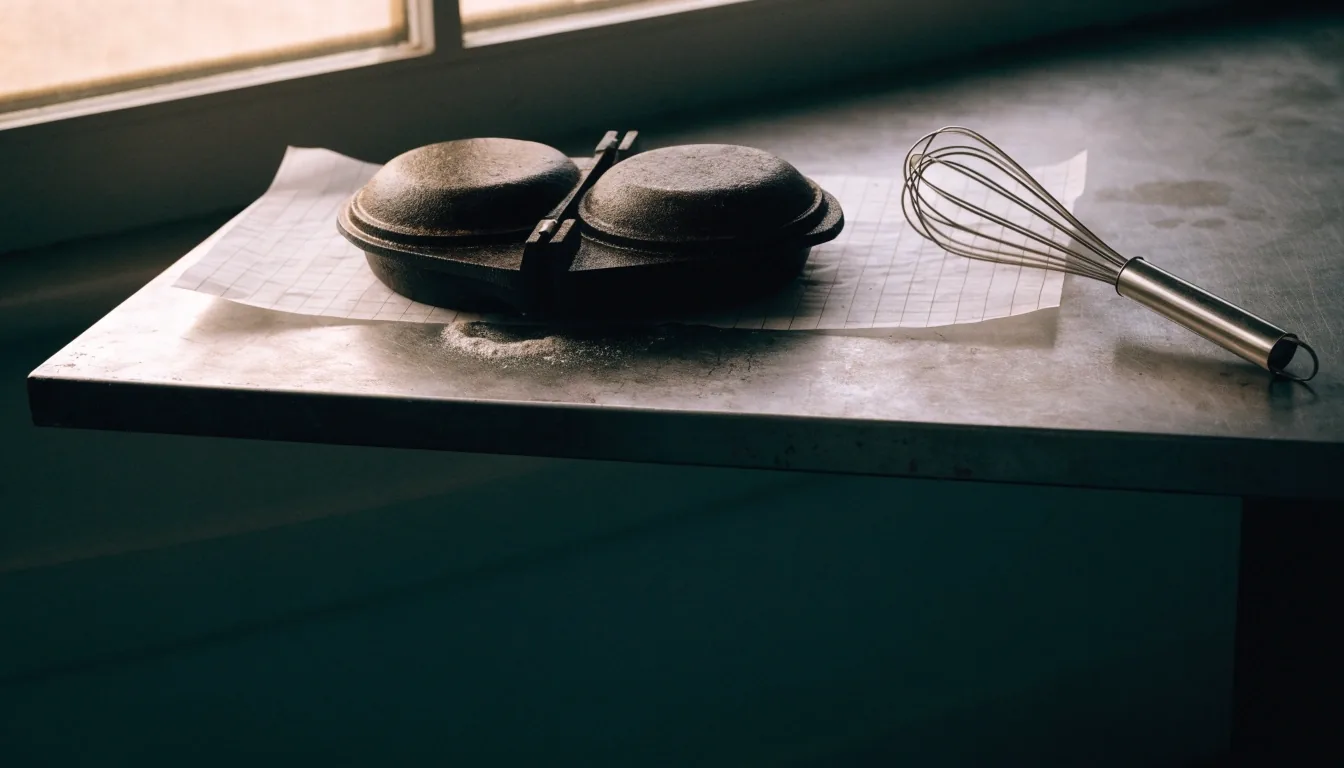
A cast-iron waffle iron closed and cooling on griddled paper with a whisk at an angle beside it

The kitchen after the work

Whichever style you pick, make it once and judge the crumb

Names help you aim, but the iron tells you the truth. Cook one style this week, make notes on the texture, and adjust from there.

Bertrando's Waffle Kitchen

6980 23rd Ave SW, Seattle, WA 98106, USA
SeinCaro@bertrandos.com
+1 (839) 297-4279

Monday to Friday, 9:00 AM – 6:00 PM

We keep a short record of how you read the kitchen — and nothing more. Cookies & method