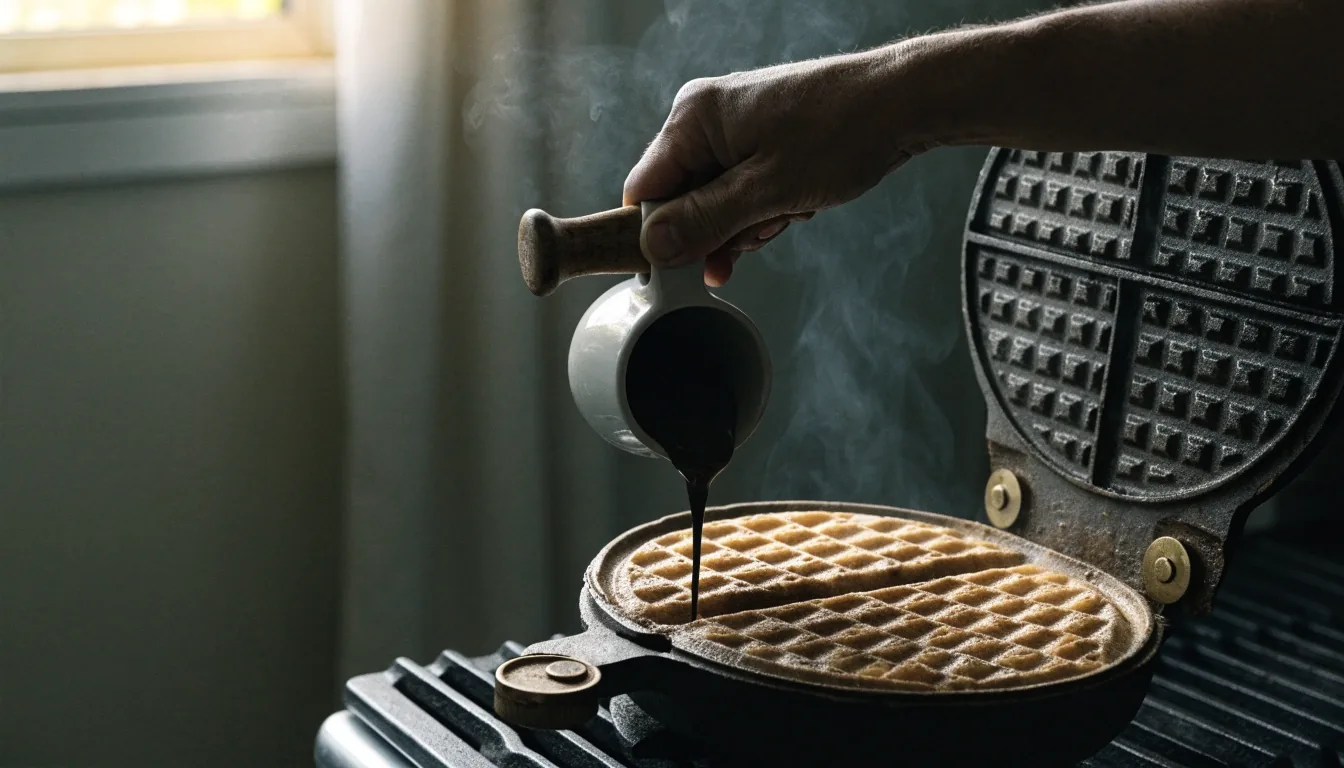
Batter poured from a small ceramic measure onto the open plates of a well-used cast-iron waffle iron on a stovetop
Iron on · first pour

Three batters worth the wait

Hot iron. Cold batter. Breakfast worth standing for.

Every homemade waffle house recipe on this site grows out of one of three batters. Read them side by side, then pick the one your morning can actually hold.

Pick one and cook it

Three Waffle Batters, One Reliable Kitchen

Every waffle recipe here starts from one of three batters. They aren't variations on a theme so much as three different strategies for the same breakfast, and choosing between them is mostly about how much time you have and what texture you're after.

The yeasted batter takes the longest and rewards patience with the deepest flavor. Buttermilk batter sits in the middle — tender and tangy, and it works with either yeast or chemical leavening. The quick weeknight batter skips the wait entirely and lands somewhere between a crisp waffle and a good pancake.

  1. Yeast-raised waffle batter

    Overnight rest, whipped whites, and a crumb that holds under syrup. Plan it the night before.

    Rest
    8–12 hrs, cold
    Iron
    4–5 min
    Yield
    6 round waffles
  2. Buttermilk waffle recipe

    The house middle ground. Tangy, tender, forgiving to a cook who is still learning the iron.

    Rest
    10 min, or overnight with yeast
    Iron
    3–4 min
    Yield
    5 round waffles
  3. Quick weeknight waffle batter

    One bowl, fifteen active minutes, cooked before the coffee has cooled. Tuesday's answer.

    Rest
    20 min while the iron heats
    Iron
    2–3 min
    Yield
    4 round waffles

Read all three, then pick one. The formula you cook twice is worth more than the one you read five times.

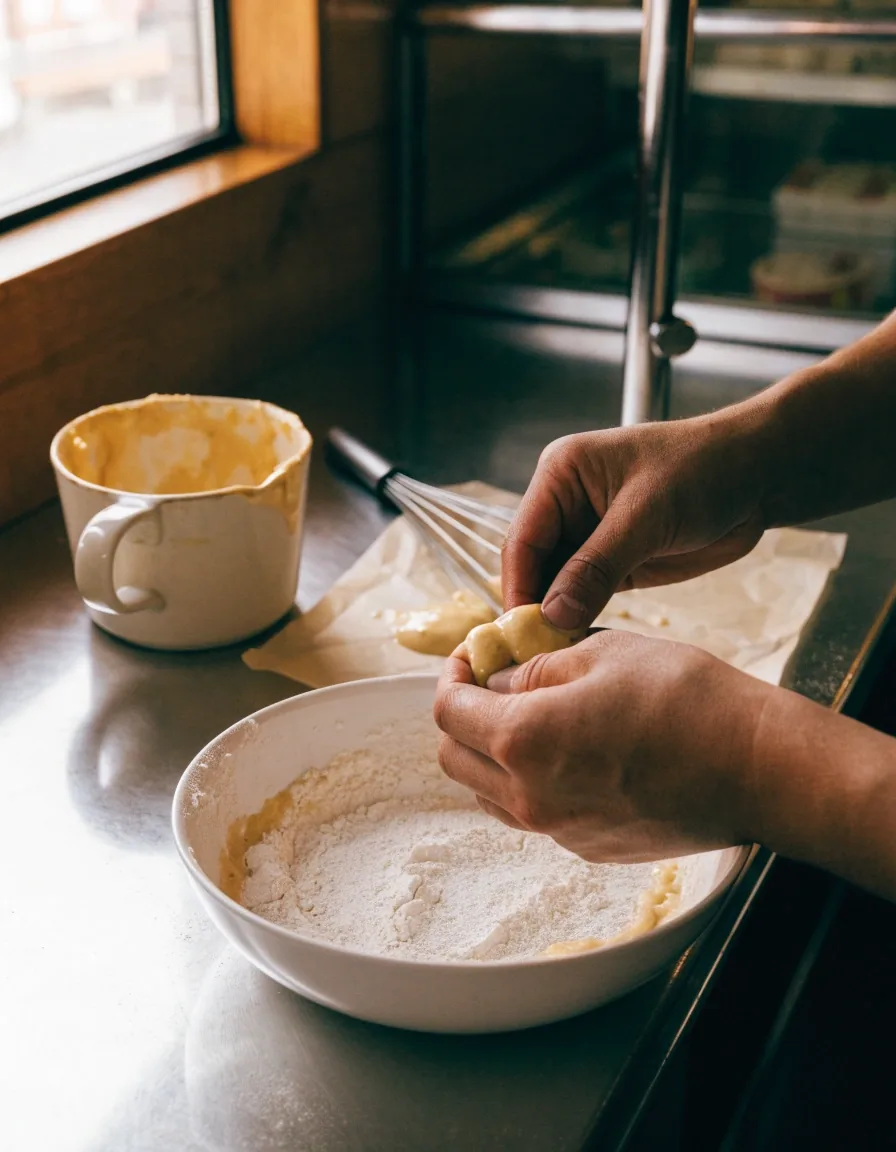
A white mixing bowl of half-folded waffle batter, a ceramic measure and a whisk on a griddled paper counter beside a closed iron
Mise en place a few minutes into the mix. Everything the three batters share sits on the counter before the first one goes to the iron.
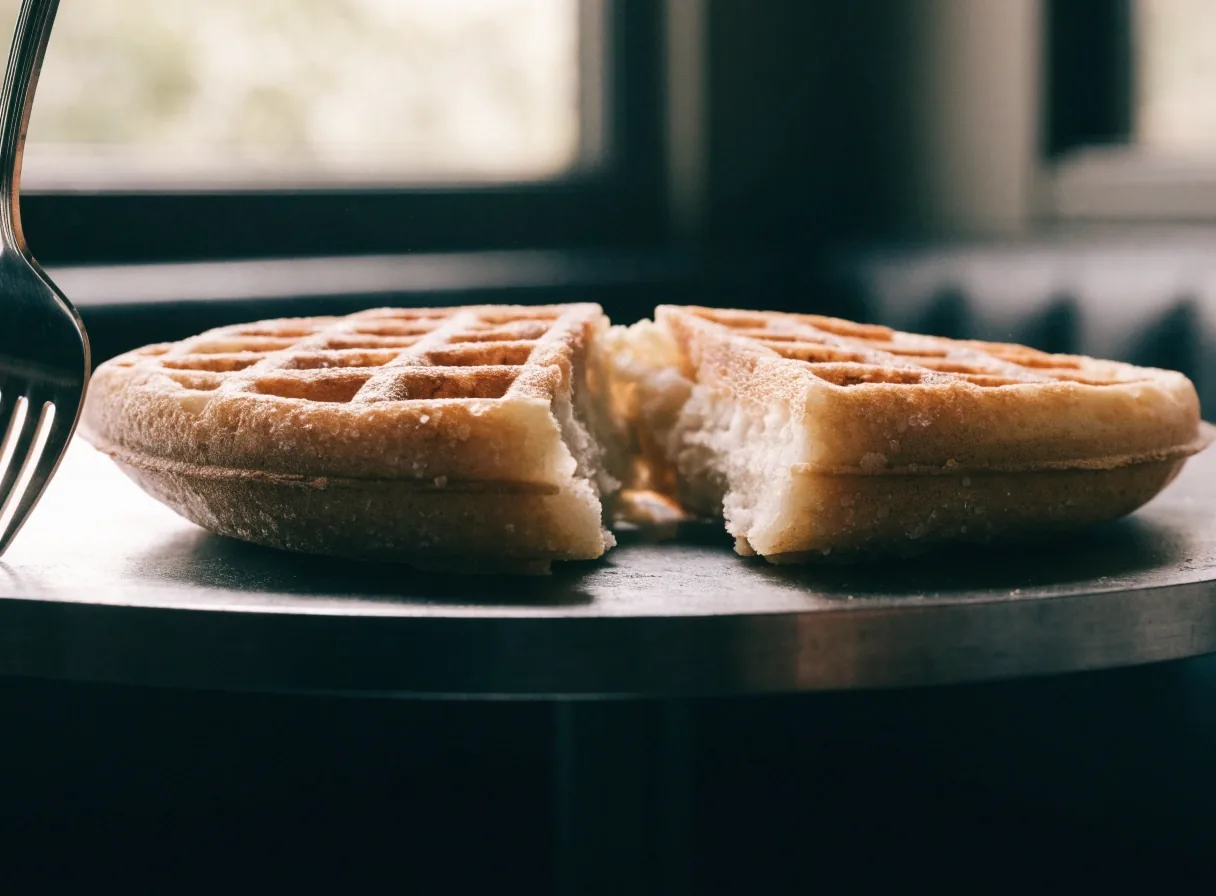
A waffle split open on the counter showing its crumb and pocket structure with steam rising
Crumb check. The pocket walls should be set, the outside dark, and the interior still faintly steaming when it comes off the plates.

What went wrong, and how to fix it

Texture Fix Bench

Four problems account for most waffles that come out of a home kitchen wrong. Each has a real correction that starts with the batter and, only occasionally, with the iron.

Flimsy, tearing edges
Your batter is overmixed. Stir quick batters to a lumpy, barely-combined state; the last dry pockets hydrate on the rest while the iron preheats.
Pale, steam-loaded waffle
The iron is not fully hot, or too much batter went in and trapped the moisture. Let the iron finish heating before the first pour; fill to just under the outer channel.
Dry, almost floury center
Either the batter never rested or the leavening is old. Twenty minutes is the quick-batter fix; a fresh tin of baking powder is the next visit to the pantry.
Soggy when you come back for seconds
Stacking. Cooked waffles steam each other down. Hold them in a single layer on a rack in a low oven instead of a pile on a plate.

Same iron, different bowl

Seven directions once the base is reliable

Each of these sits on top of a base recipe you already trust. Change one variable at a time, or two if you're feeling steady.

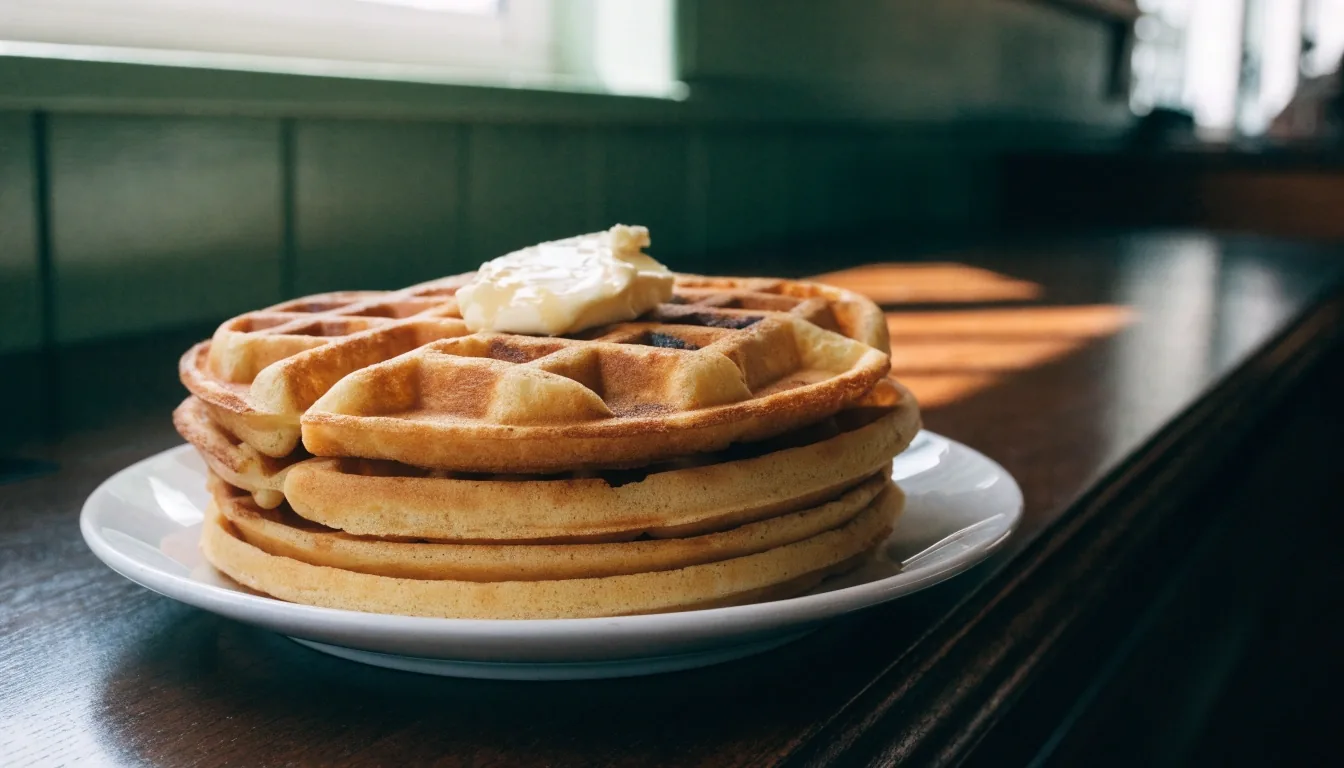
A stack of Belgian-style waffles on a plain white plate on the counter
Crisp exterior Waffle batter, rest

Classic Belgian-style

A deep-pocket iron, a moderately loose batter with whipped whites, and a full four-minute cook. The finished waffle stands up to a puddle of syrup without going limp.

Iron
4 min
Yield
6 waffles
Tang first

Buttermilk and berries

Pair the buttermilk base with maple, fresh berries, or a spoon of jam. Heavy sweet toppings fight the tang, so keep the plate light and let the batter speak.

A ten-minute substitute works if you don't keep cultured buttermilk: lemon juice into milk, then stand a full ten minutes so the acid has time to act.

Rest
10 min, minimum
Iron
3 min

Cornmeal, for grit

Swap a quarter of the all-purpose flour for fine cornmeal. The waffle bakes a shade darker and holds a pleasant chew under syrup; it also takes to savory toppings.

Swap
¼ cup per cup
Liquid
+1 tbsp

Where the base can travel

Buckwheat, cocoa, yeast-raised, and the future

Buckwheat adds an earthy, faintly bitter edge that suits the yeasted overnight formula. Cocoa turns the buttermilk base into something closer to dessert and wants a little more sugar to compensate. The yeast-raised version is a weekend project of its own, worth starting the evening before.

Savory variations — a little cracked pepper and grated cheese folded into the quick batter — deserve their own plate and their own hour of the day. When we settle on the next direction, it will land on this shelf next to the others.

  • Buttermilkhouse formula
  • Cornmealswap ¼ cup
  • Buckwheatyeasted base
  • Cocoabuttermilk base
  • Savoryquick batter

The three recipes, written out

From warm milk to the first pour

Full method steps for the three batters. Read the one you're making, or all three if you're still deciding.

Recipe one

Yeast-raised waffle batter

This is the classic overnight formula, and it's the one most people picture when they think of a Belgian-style waffle. Yeast does two jobs: it produces carbon dioxide for lift and it builds flavor compounds during the long rest that baking powder can't replicate in twenty minutes.

Ferment
8–12 hrs, cold
Cook
4–5 min

Mixing is simple. Warm the milk to just above body temperature, dissolve the yeast with a spoonful of the sugar, and let it sit until it foams. Combine the dry ingredients in a large bowl, add the milk mixture and melted butter, and stir until barely combined. Cover and refrigerate overnight.

In the morning the batter will be bubbly, slightly sour-smelling, and noticeably thicker. Beat the egg whites to soft peaks and fold them in just before cooking. That last step is what gives yeasted waffles their light interior without making the crust fragile.

Cook in a fully preheated iron for four to five minutes, until the steam slows and the edges are deep golden brown. Serve immediately or hold on a rack.

Fold the whites in three additions rather than one. Each addition loosens the batter and makes the next fold easier — folding thick batter into a bowl that's too small deflates the foam.

Recipe two

Buttermilk waffle recipe

Buttermilk brings two things to a waffle: acidity and fa. The acidity reacts with baking soda to produce lift, and it also tenderizes by interrupting gluten formation. The fa, which stays behind after the liquid is cultured, adds richness that plain milk doesn't provide.

Rest
10 min, minimum
Cook
3–4 min

You can use buttermilk with either leavening system. With baking soda alone you get a quick, tender waffle. With yeast you get the overnight depth plus a tang that's more pronounced than the plain milk version. Both are worth cooking at least once.

If you're using cultured buttermilk from the store, shake it well before measuring. If you're making a substitute with lemon juice and milk, let it stand a full ten minutes so the acid has time to do its work. Skipping that step gives you thin, sweet milk and a flatter waffle.

Pair buttermilk waffles with things that can handle acid: maple syrup, berries, a little whipped cream, or a spoonful of jam. Heavy sweet toppings fight the tang rather than complementing it.

Recipe three

Quick weeknight waffle batter

This is the recipe for a Tuesday. Melted butter, milk, eggs, flour, baking powder, a little sugar and salt, mixed in one bowl and cooked within the hour. Total active time is under fifteen minutes.

Rest
20 min while the iron heats
Cook
2–3 min

The texture is different from the yeasted version. Quick batter waffles are a bit more cake-like and brown faster because the chemical leaveners work immediately in the hot iron. That's not a flaw. It's a tradeoff, and it's the right one when you need breakfast on the table before a school run.

The one improvement worth making: rest the batter for twenty minutes while the iron preheats. That's enough time for the flour to hydrate and the batter to thicken slightly, which improves browning and reduces the raw-flour taste that quick batters sometimes carry.

Add-ons work best here because the base is neutral. Cinnamon, nutmeg, a little vanilla, chopped nuts, or a small handful of chocolate chips all land well. Just keep additions light, or the waffle will steam instead of browning.

Side by side

Which of the three belongs on your counter

Yeasted wins on flavor and structure. Buttermilk sits in the middle. Quick is honest about being fast. The comparison below reads top to bottom if you're picking for this week.

Yeasted waffles hold up under syrup without collapsing and taste better the second day if you reheat them on a rack. The cost is planning ahead, and cold batter from the fridge needs to warm before it hits the iron.

Buttermilk waffles are the recipe most people end up making their house formula because they don't demand a schedule. Quick weeknight waffles don't improve overnight and they don't hold up to reheating as well as the others.

If you're feeding a family on a weekday, cook the quick batter. If you're cooking for people you want to impress on a Sunday, cook the yeasted one ahead of time and finish the last steps while the coffee brews.

Comparison of the three batters by rest, iron time, and best use
Batter Rest Iron Best for
Yeasted 8–12 hrs, cold 4–5 min Sunday mornings, a full table, second-day reheat
Buttermilk 10 min, minimum 3–4 min The middle road — tangy, tender, forgiving
Quick weeknight 20 min, optional 2–3 min Weekdays, school runs, add-ins on a neutral base

Cooking for a crowd

Scaling a recipe for a larger crowd

Waffle batter scales linearly, but the iron doesn't keep up. Doubling a recipe is fine; expect the cooking to take twice as long, and plan to hold finished waffles in a warm oven at 200°F on a wire rack while you work through the rest of the bowl.

Don't stack the finished waffles. They'll steam each other and the crisp edges you worked for disappear. Lay them in a single layer on a rack and leave a little space between them.

If you're cooking for more than eight people, consider running two irons at once. It's the only reliable way to close the gap between batter and plates, and it's the approach we use when testing large-batch versions.

Egg whites for the yeasted batter should be whipped in the largest bowl you own, because folding a thick batter into a bowl that's too small deflates the foam. Fold in three additions rather than one; each addition loosens the batter and makes the next fold easier on the whites.

Flour, and what else you can swap

Notes on flour and substitutions

All-purpose flour is the default and works across all three batters. Bread flour makes a chewier waffle with a stronger structure, which suits the yeasted version. Cake flour produces a more delicate result but the batter tends to be thinner and burns more easily on a hot iron.

Whole wheat flour can replace up to half the all-purpose flour, but you'll want to add a couple of tablespoons of extra liquid because whole wheat absorbs more. The flavor is nuttier and the texture slightly denser.

If you're cooking gluten-free, start from the quick weeknight formula rather than the yeasted one. Yeast needs gluten to build the structure that makes overnight waffles what they are, and gluten-free yeasted batters often collapse. Use a trusted one-to-one baking blend rather than a single alternative flour.

  • All-purposeall three batters
  • Bread flouryeasted base
  • Cake flourwatch the iron
  • Whole wheatup to half, add liquid
  • Gluten-free blendquick batter only

Before the first pour

Kitchen questions we get most

Four questions come up more than any others in the inbox. The short answers are below — the longer version of each lives in its own recipe.

Can I mix all three batters in advance?
Yes, all of them hold well in the fridge overnight. The quick batter will thicken noticeably and may need a splash of milk in the morning. The buttermilk and yeasted batters generally need a stir and about an hour at room temperature before cooking.
Which recipe is best for a beginner?
The quick weeknight batter. It's mixed in one bowl, has a short ingredient list, and the chemical leaveners give predictable lift. Once you can cook a consistent quick waffle, the yeasted version becomes much easier to judge.
My yeasted batter smells sour. Is that normal?
Yes. Overnight fermentation produces acidity, which is exactly what gives the finished waffle its depth. If it smells sharply alcoholic, the batter went too long in a warm room. Move it to the fridge next time.
Do I have to whip the egg whites?
For the yeasted batter, yes. It's the step that creates the airy interior. For the quick and buttermilk batters, you can skip the separation and use whole eggs, though the result will be denser.
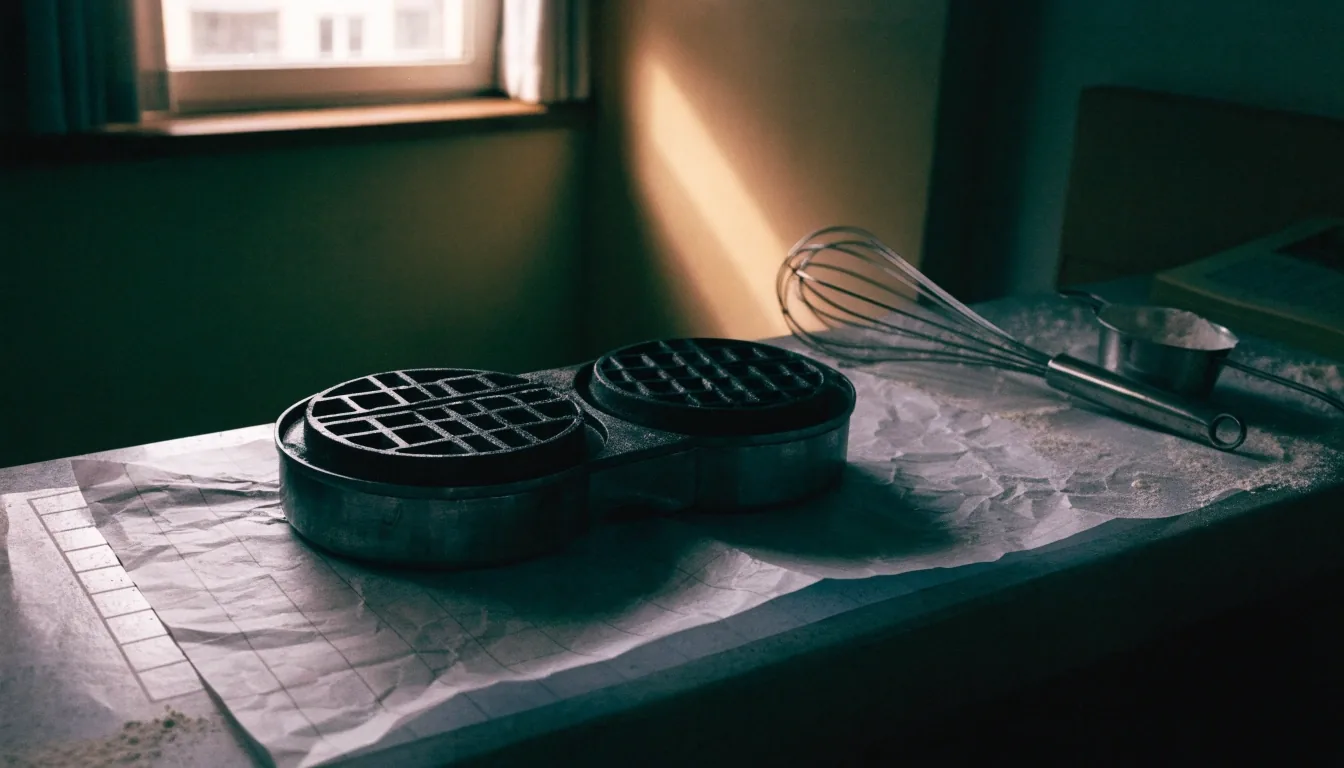
A closed waffle iron at rest on the counter beside a whisk and a haze of flour
Two batters down, one still on the counter. The iron cools closed while the kitchen finishes the dishes.

Where to write us

Questions about a recipe? Send them over.

If a batter misbehaves and you can't tell why, describe the mix and the iron and we'll write back with the closest match from the test kitchen.

Contact us

The counter, in person

Bertrando's Waffle Kitchen
6980 23rd Ave SW
Seattle, WA 98106, USA

+1 (839) 297-4279
SeinCaro@bertrandos.com

Open hours

Mon–Fri
9:00 AM – 6:00 PM
Sat–Sun
Closed

Email replies within the working week

Blank ticket · one more batch, whenever you're ready

© 2026 Bertrando's Waffle Kitchen

We keep a short record of how you read the kitchen — and nothing more. Cookies & method